
How Long Does It Really Take to Build a House? (Home Build Timeline)
Overview
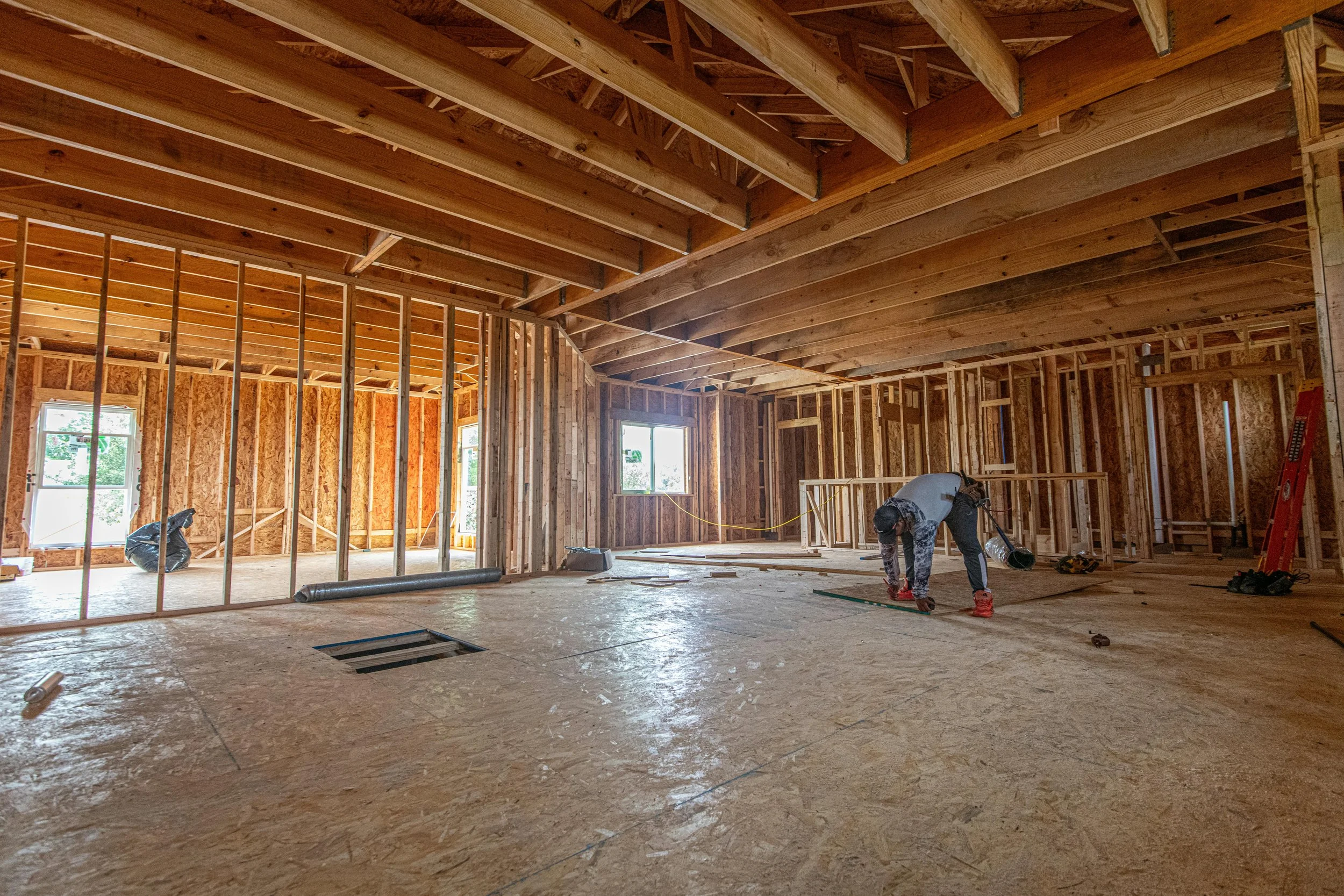
A realistic home build timeline typically spans 10 to 24 months, depending on design complexity, permitting timelines, square footage, and finish selections.
But timeline averages are misleading. What homeowners actually need is a phase-by-phase understanding of where time is gained or lost, which decisions quietly add months, and how a properly managed custom build stays predictable without sacrificing craftsmanship.
Table Of Contents
Pre-Construction: Where Timelines Begin Long Before Construction Does
Design and Engineering
Permits and Approvals
Site Work and Foundation
Framing and Structural Build
Mechanical, Electrical, and Plumbing
Interior Shell and Drywall
Finishes and Final Details
How J.T. Belavin Group Keeps Home Build Timelines Predictable
A Realistic Start-to-Finish Timeline
Pre-Construction: Where Timelines Are Actually Set
Most homeowners assume the build starts when crews break ground. In reality, the timeline takes shape long before that moment.
During pre-construction, teams define scope, refine design, and validate budgets.
The JTB Strategy: At J.T. Belavin Group, we use this phase to "de-risk" the entire project. While pre-construction typically consumes 20% to 30% of the total timeline, it’s not "waiting time."
We use this window to lock in long-lead items, such as custom Italian cabinetry, specialized structural steel, or high-performance glazing, long before they are needed on-site.
By securing these assets early, we ensure the "Finishes" phase doesn't stall later due to global supply chain delays.
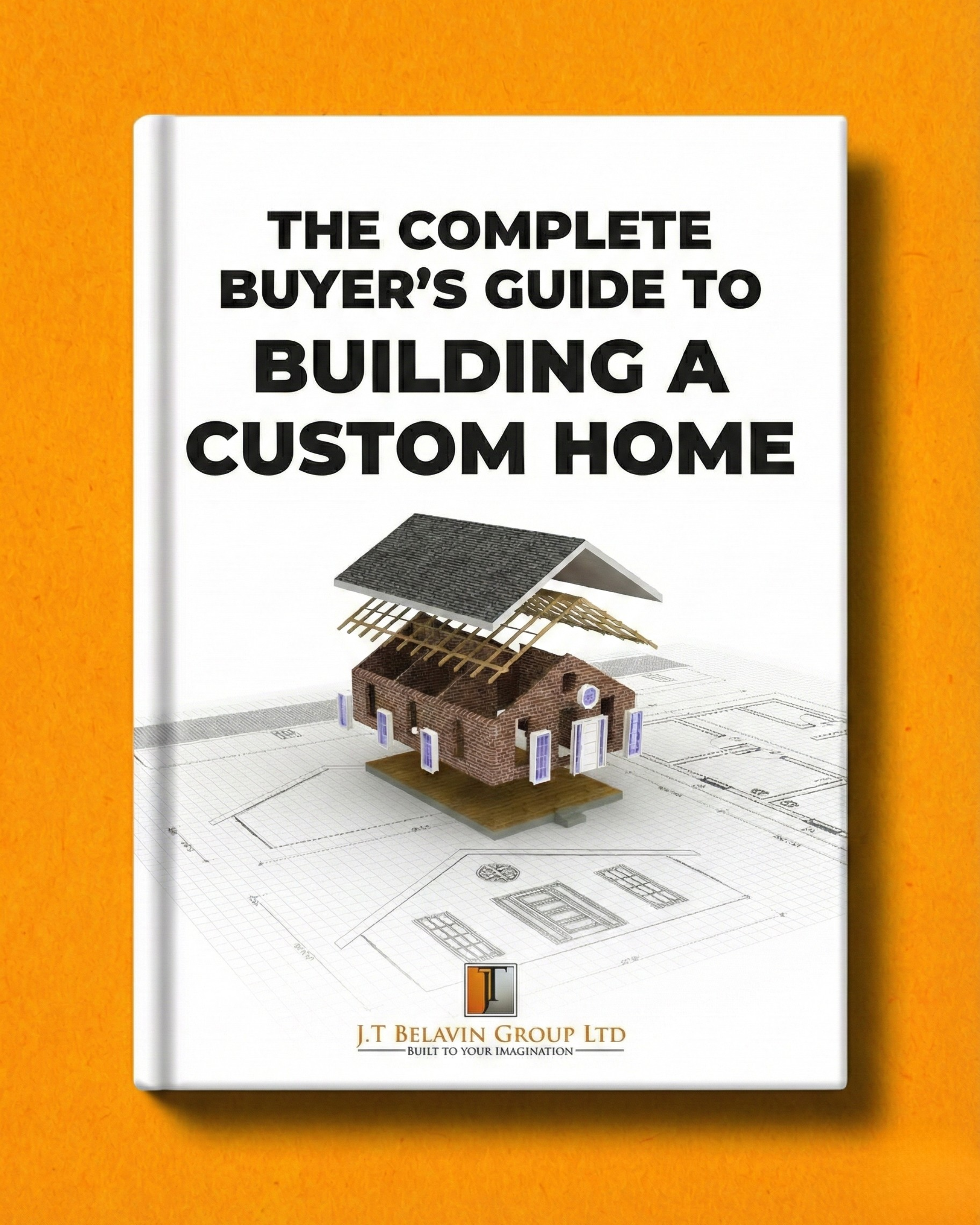
Grab Your Free Copy of:
“The Complete Buyer’s Guide to Building a Custom Home in Ontario”
Design and Engineering
Typical duration: 2 to 6 months
Design turns vision into buildable plans. Highly customized homes require more coordination at this stage. Long spans, custom rooflines, and complex elevations all demand careful planning.
JTB Strategy: We utilize an integrated design-build approach. By having our construction leads review architectural drawings in real time, we catch unbuildable details early, preventing the weeks of redesign that typically occur when a third-party builder finally sees an architect's plans.
Permits and Approvals
Typical duration: 1 to 4 months, sometimes longer
Permitting controls the pace of the entire project, and no builder can rush a municipality.
JTB Strategy: To shave weeks off the wait, we initiate local zoning reviews concurrently with final structural engineering. This parallel processing ensures that as soon as the engineering is stamped, the city is already familiar with the file.
Site Work and Foundation
Typical duration: 1 to 2 months
Once permits clear, construction begins.
Crews clear the site, perform grading, excavate, pour footings, and build the foundation. Weather and soil conditions directly affect progress. Heavy rain, frozen ground, or unexpected subsurface conditions can pause work entirely.
Teams that address foundation issues properly protect the rest of the build. Cutting corners here may save days now, but it creates costly delays later.

Framing and Structural Build
Typical duration: 1 to 3 months
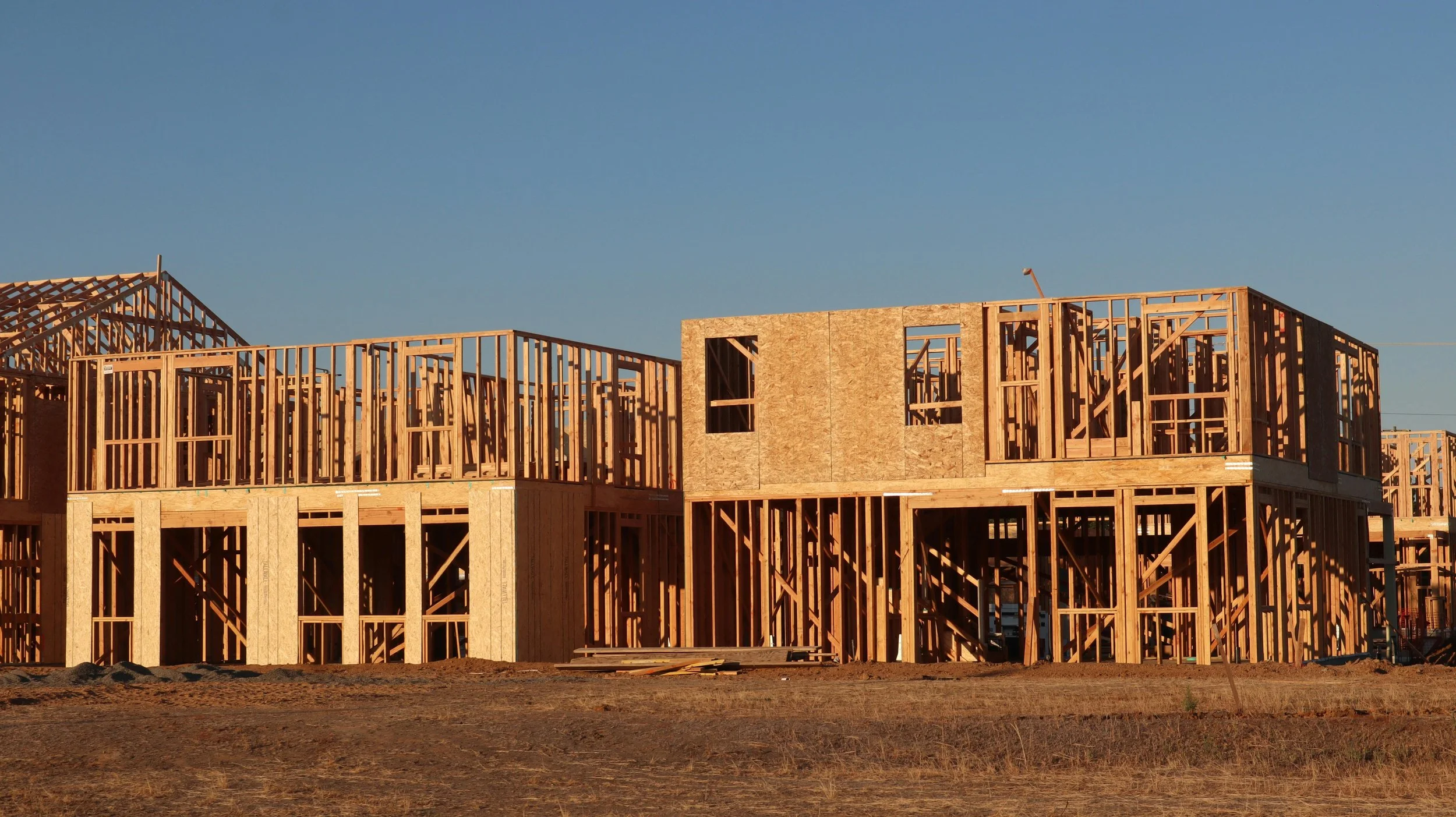
Framing brings the house to life. Walls rise, rooflines form, and the home’s true scale becomes visible.
This phase highlights the difference between size and complexity. Homeowners often ask how long it takes to build 2,000-, 3,000-, 4,000-, or 5,000-square-foot homes. Square footage matters, but architectural complexity matters more.
Vaulted ceilings, steel beams, cantilevers, and intricate roof systems all add time regardless of overall size.
The Lead Time Trap: Why Your Windows Might Control Your Move-In Date
One of the most common reasons a build stalls is the Lead Time Trap. In the custom luxury market, the most desirable materials frequently have the longest wait times.
Custom Glazing: High-end window systems can have lead times of 20 to 40 weeks.
Specialized HVAC: Custom air-handling units for wine cellars or theatre rooms are not off-the-shelf items.
Imported Stone: Sourcing specific marble from Europe requires a buffer for shipping and customs.
How we manage it: A disorganized build waits until framing is complete to measure windows. At JTB, we work off tight-spec engineering drawings to order these items months in advance.
This ensures that on the day the roof is dried in, the windows arrive at the site. We maintain the momentum so the site never goes quiet.
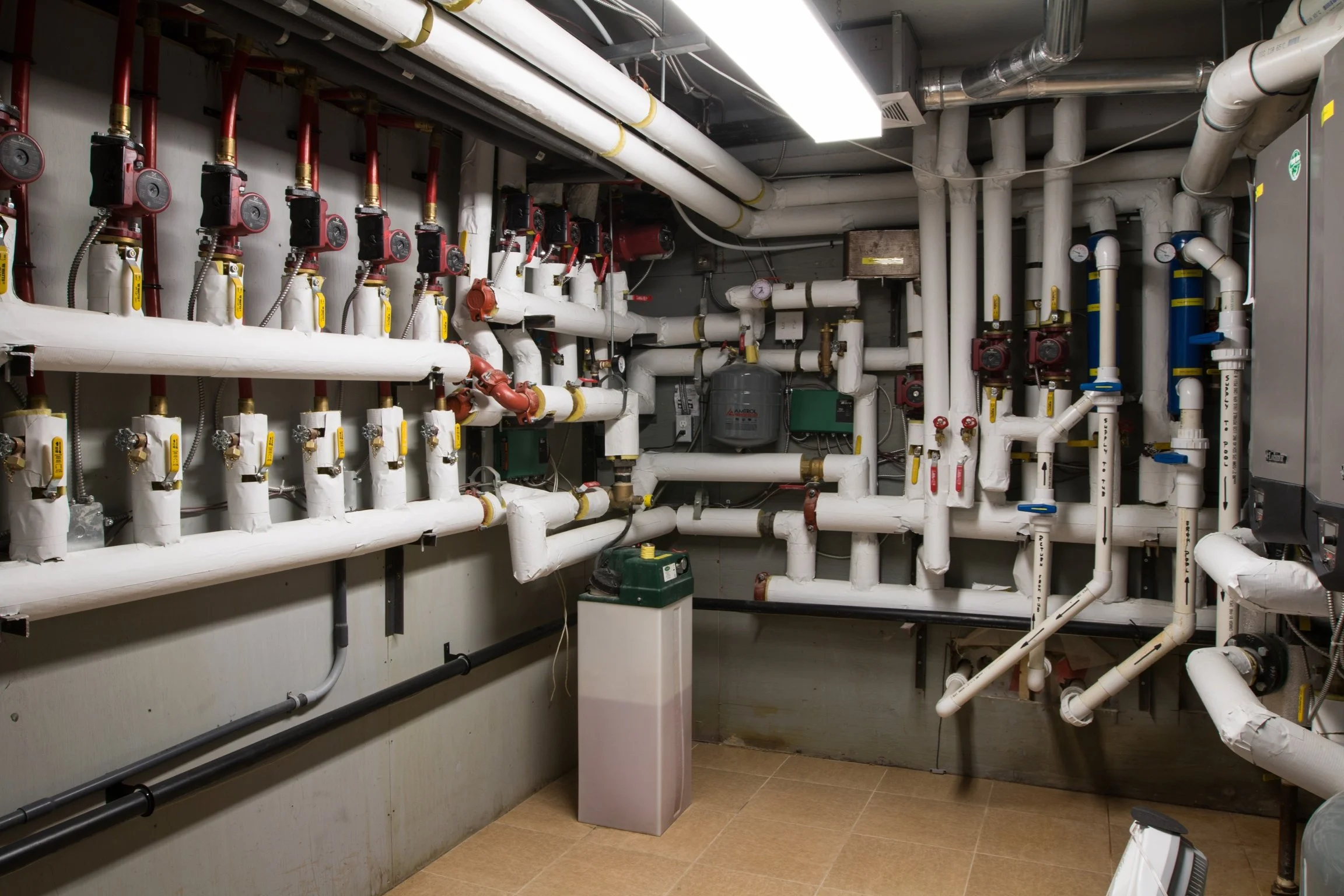
Mechanical, Electrical, and Plumbing Rough-In
Typical duration: 1 to 2 months
After framing, crews install HVAC, wiring, and plumbing.
JTB Strategy: During rough-ins, we integrate smart-home infrastructure, ensuring AV, security, and climate automation are baked into the home's skeleton rather than tacked on as an afterthought.
Interior Shell and Drywall
Typical duration: 1 to 2 months
Once rough inspections pass, insulation and drywall installation begin. Rooms take shape, and the home starts to feel finished.
Drywall requires proper drying and curing conditions. Temperature and humidity matter. Rushing this phase leads to cracks, visible seams, and paint issues that surface months after move-in.
Finishes and Final Details
Typical duration: 2 to 4 months
This phase demands the most coordination. Flooring, cabinetry, tile, and lighting all come together here.
JTB Strategy: Our project leadership stays hands-on during this phase to manage trade sequencing. We ensure the flooring specialists aren't tripping over the trim carpenters, protecting both finish quality and the schedule.
How J.T. Belavin Group Keeps Home Build Timelines Predictable
Instead of fragmenting responsibility across designers, consultants, and disconnected trades, J.T. Belavin Group builds as a single, coordinated system.
Design decisions, permitting strategy, trade sequencing, and budget alignment all flow through a single accountable team. That structure removes the gaps where timelines typically break down.
Hands-on oversight plays a critical role. When leadership stays actively involved throughout construction, not just during sales or design, issues get resolved before they escalate into delays. Questions don’t sit unanswered. Trades don’t wait for direction. Decisions stay ahead of the schedule rather than react to it.
That’s ultimately what protects both schedule and craftsmanship. When one team owns the outcome from concept through completion, the timeline stops feeling like a gamble and starts functioning like a managed process.
Make sure you factor in your costs as well. You can check out our other article here that explains “How Much Does Building A House Cost Per Square Foot?”
A Realistic Start-to-Finish Home Build Timeline
The following ranges reflect honest answers to the question, "How long does building a house take?"
Smaller custom homes typically take 10 to 14 months to complete
Mid-size to larger homes often take between 12 and 18 months
Large or highly customized homes commonly take 16 to 24 months, especially when architectural complexity and premium finishes drive decisions

Ready to start your project but don’t know where to begin?
Send me a message and let’s have a chat about your vision.
Frequently Asked Questions About GTA Home Building Timelines
-
Most custom homes take twelve to eighteen months, depending on design complexity, permitting timelines, and finish selections.
-
Design, permitting, and interior finishes typically consume the most time due to coordination and decision-making requirements.
-
No. Complexity and customization often affect timelines more than square footage alone.
-
Yes. Early decisions, realistic planning, and centralized project management help prevent avoidable delays, though weather and permitting remain uncontrollable factors.
-
Higher cost per square foot often introduces specialized materials and labour, which can extend timelines due to sourcing and installation requirements.