
The Home Tech Features Worth Building Into Your Custom Home Design
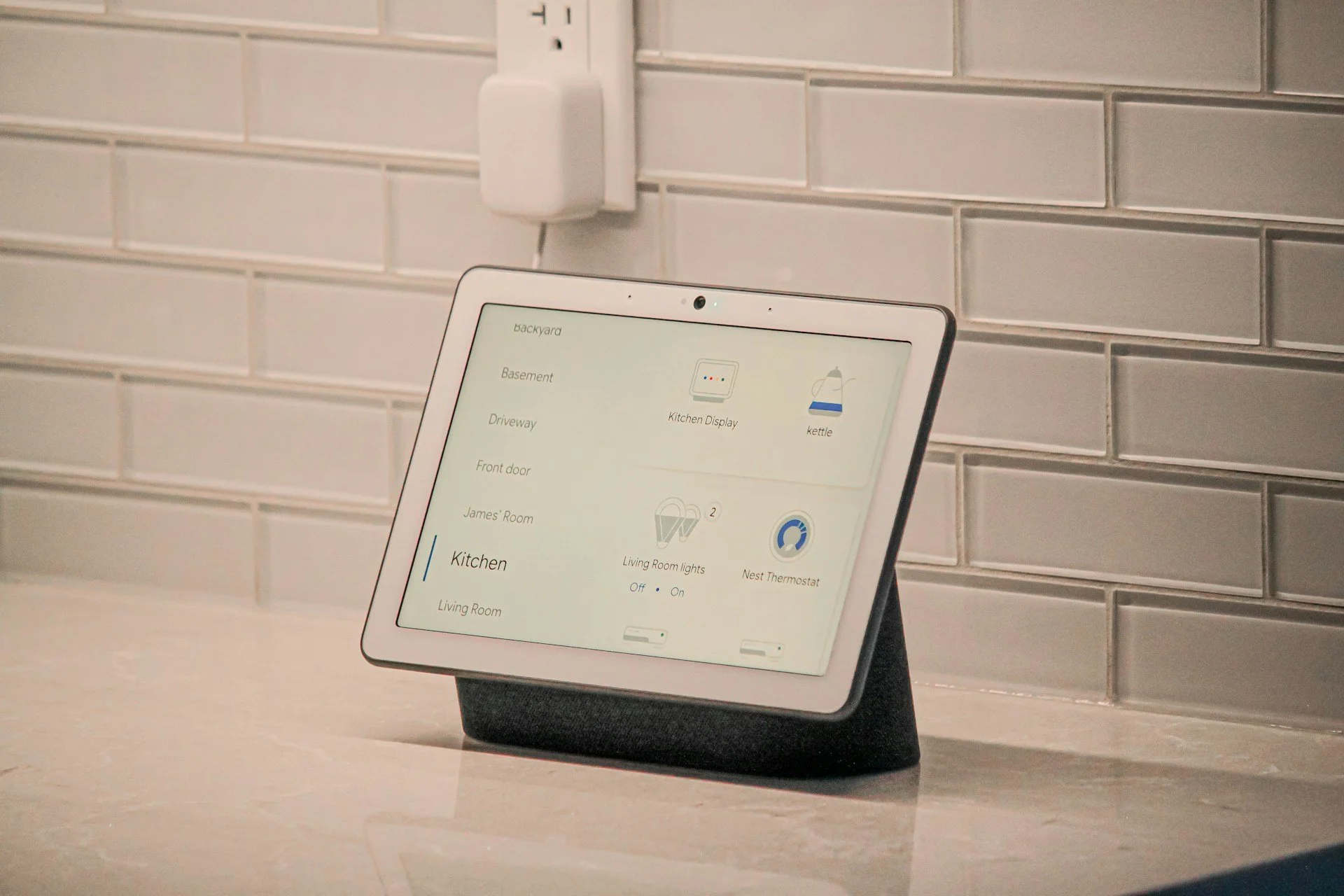
Most people spend months obsessing over countertops, flooring, and paint colours when planning a custom home build. But what about the technology that makes the home work the way they actually want it to? Unfortunately, that conversation often happens too late, or not at all.
This post breaks down the smart home features worth building into your custom home design from the start, why the timing matters more than most people realize, and what it looks like to have full control over your home from a single screen in your hand.
Table Of Contents
You Only Get One Chance to Build This In
You're investing heavily in a custom home, so don’t overlook what's behind the finishes. Every build has a critical window before the walls close up, when you must finalize essential lifestyle decisions. Miss this moment, and you’ll pay significantly more to retrofit smart home technology features that you should have built in from the start.
The wiring, in-wall speakers, lighting infrastructure, and network backbone all need to go in before the walls close. Waiting until after move-in means opening finished surfaces, patching, repainting, and managing disruption nobody signed up for. Building these systems in from the start saves homeowners between 40 and 60% compared to retrofitting later. That's the difference between getting it done properly and getting a compromised version of what you actually wanted.
For anyone evaluating construction companies in Ontario, Canada, this conversation needs to happen now. If the walls aren't up yet, every option is still on the table.
Lighting That Works Around You, Not the Other Way Around
Most people treat lighting as a finishing detail. Pick your fixtures, choose a bulb temperature, and move on. That assumption is what leaves you walking from room to room flipping switches in a home that cost a fortune to build.
A Lutron lighting control system changes that entirely. Instead of controlling individual lights, you control environments. Program a scene, and one button lights the hallway, the staircase, and the bedroom at exactly the level you want. Tap another when you get there, and everything behind you shuts off. No running back through the house.
Automated drapery and blinds run through the same system. Lutron's more advanced setups use your home's exact GPS coordinates to track the sun in real time, automatically adjusting shades to manage glare, protect furnishings, and maintain your view. No button required.
For anyone in the custom home design process, lighting control is one of the highest-value decisions you can make early on. It shapes how every room feels, at every hour of the day.
Audio and Video Done Right the First Time
Audio and video in a custom home are personal. Some people want a dedicated theatre with Dolby 5.1 or 7.1 surround sound. Others want in-wall speakers distributed through several rooms so music follows them through the house. Some are serious audiophiles who want a purpose-built listening room with a turntable and high-end equipment most people have never heard in a residential setting.
What all of those have in common is that none of them work properly without the right infrastructure built in from the start. In-wall speakers need rough-in wiring before drywall. A home theatre needs acoustic planning from the framing stage. Multi-zone audio needs cabling run through the walls before they close.
The right builder brings in an AV specialist and asks the questions that matter: How do you use sound in your home? Do you want the kitchen, backyard, and master bedroom on independent zones? Do you entertain enough that the great room needs to fill with sound without a TV on? Simple questions, but they need answers before the build starts, not after.
For home builders in the GTA, getting AV into that early conversation is part of what separates a thoughtfully built home from one that gets compromised by retrofitting later.

Grab Your Free Copy of:
“The Complete Buyer’s Guide to Building a Custom Home in Ontario”
The Control Layer: One App, Your Whole Home
This is where everything comes together. The real value of a properly integrated smart home is that your lighting, HVAC, audio, security cameras, automated blinds, heated driveway, towel warmers, and in-floor heat all live inside one system controlled from a single app on your phone.
Picture a February morning in Toronto. Before your feet hit the floor, you've turned on the bathroom heat, queued a Spotify playlist in the kitchen, checked the front door camera, and brought the house up to temperature. That's what a properly integrated Crestron or Lutron setup delivers right now.
These systems don't have to be complicated. You can configure the same platform that gives a tech enthusiast granular control over every device to use a single remote and a few labelled buttons.
"Movie Night" dims the lights, closes the blinds, and turns on the TV. "Good Morning" does the opposite. Bringing all smart home systems into a single application is one of the most significant custom home design trends heading into 2026. The goal is control without complexity, and the best systems deliver both.
What People Wish They Had Asked For
In every custom build, the visible things get the investment, and the infrastructure decisions get trimmed. It's a trade-off that looks reasonable in the moment and creates regret for years afterward.
A steam humidifier is a good example. Nobody puts it on their vision board. But skip it during a new construction build in Toronto's climate, and you'll wake up with nosebleeds in February, watch your hardwood floors gap and move, and see your trim begin to split.
A whole-home steam humidifier runs about $2,500 installed, a small line item when you consider the overall house construction cost in Toronto. The remediation prevents much higher costs, and without one installed, there's no warranty to fall back on.
The same logic applies to network infrastructure, speaker rough-ins, conduit for future automation wiring, and electrical provisions for EV charging. These are the differences between a home built for how you're going to live in it and one that needs expensive surgery five years from now.
The best conversations in a custom home design process happen when an experienced professional asks questions you may not have considered yet.

J.T. Belavin Group: Built for How You Actually Live
The technology decisions you make during a custom home build determine how you live in that home every single day. Getting them right takes someone who has been through this many times and shows up every day to make sure nothing falls through the cracks.
J.T. Belavin Group is a boutique custom home builder serving Toronto, the GTA, Muskoka, and Simcoe County. Founder Tal Belavin manages every project personally, stays on-site daily, and remains the single point of contact from the first conversation to the final walkthrough. No handoffs. No layers.
Tal brings AV and automation specialists into the process early to plan and install smart home infrastructure correctly from the start. That's the foundation of the Custom Home Building service: full scope, no templates or standardized packages.
Clients come back for second and third projects. If you're planning a build, reach out for a consultation and have a straight conversation about your project with someone who knows exactly what to ask.
Build It Right From the Start
Getting the technology right in a custom home isn't complicated. It just requires making these decisions at the right time, with the right person in the room.
The wiring, speakers, lighting control, and humidifier are all easy to do when the walls are open. All of it becomes expensive and disruptive once they're not. That's the only real lesson here.
If you're planning a custom build in Toronto or the GTA, start that conversation before you need to. The window is open right now. Don't wait until it isn't.

Ready to start your project but don’t know where to begin?
Send me a message and let’s have a chat about your vision.
Frequently Asked Questions
-
The range depends entirely on the scope. A Lutron RadioRA lighting control system runs $8,000 to $15,000 for a typical home. Full whole-home automation covering lighting, AV, HVAC, and security goes higher from there. What matters most is that building these systems during construction costs 40 to 60% less than retrofitting them afterward.
-
You can, but it costs more and delivers less. Retrofitting in-wall speakers, lighting control, or network infrastructure means opening walls, patching, and repainting. Wireless systems reduce some of that disruption but trade off performance and reliability against hardwired infrastructure. If you're planning a significant renovation, that's your window.
-
Both are professional-grade platforms used in high-end custom home construction across Ontario and the GTA. Lutron is the standard for lighting control and motorized shades, known for reliability and a strong residential track record. Crestron offers broader integration, bringing lighting, AV, HVAC, and security under one system. The right choice comes down to how much control you want and how deeply you want it all connected.
-
Not at all. A well-configured system can be as simple as a remote with a few labelled buttons. "Movie Night" dims the lights, closes the blinds, and turns on the TV. "Good Morning" opens the drapes, raises the temperature, and starts your playlist. The sophistication lives in the setup, not the daily use.
-
Look for builders who bring AV and automation specialists in during the design phase, not after construction starts. The right builder asks how you live in your home, not just what finishes you want. If technology infrastructure isn't coming up before the walls go up, that's a signal worth paying attention to.